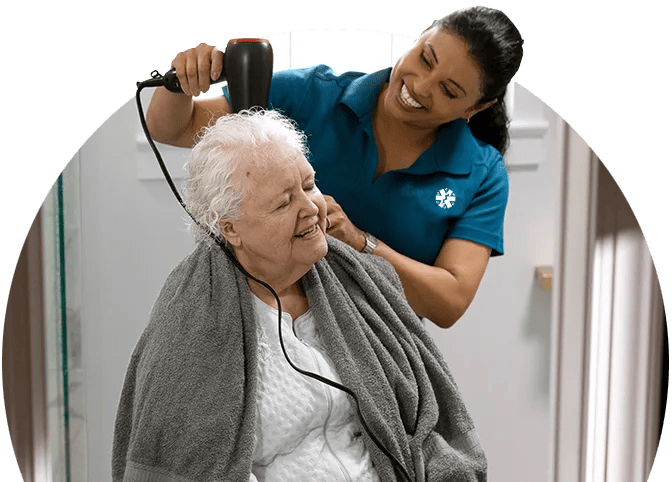
Start with a conversation about your needs and the support available locally.
Home care based on your needs
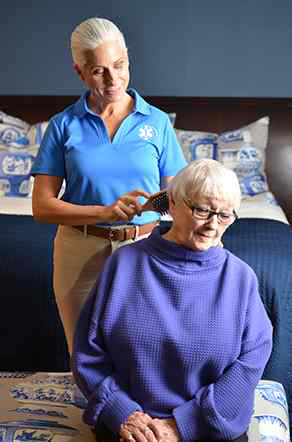
Assistive Center helps individuals and families explore support with daily living, personal assistance and care at home. Contact our team to discuss your needs and the services available in your location.
Discuss practical support for daily routines, mobility and personal care. We work with individuals and families to identify suitable assistance, respecting personal preferences, dignity and independence.
Ask us about support suited to your circumstances.
Our approach starts with the person receiving support. Speak with Assistive Center about everyday needs, preferred routines and family involvement so that available assistance can be discussed in a clear and practical way.
We use the contact details you provide to respond to your enquiry. Read our Privacy Policy for information about personal data.
Support for everyday family life
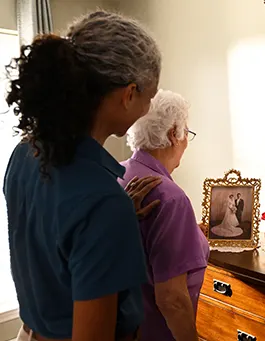
Talk to us about support for older people and family carers. Together, we can discuss practical needs, time for rest and the options available locally.
Discuss individual care needs
Ask about costs and availability
Support with everyday life and independence
Day care options
Scroll to Top
Personal assistance
Personal assistance starts with your preferences, daily routines and support needs. The linked provider describes an approach centred on listening to the person and planning assistance together.
Contact the provider to discuss available support, eligibility, costs and arrangements in your area. Services and access conditions may differ between Kosovo, North Macedonia, Albania and Sweden.
Kujdesi.mk presents support for older people, with an emphasis on care at home, dignity and individual needs. Families can use the provider’s website as a starting point for discussing day-to-day support.
Ask the provider which services are currently offered in your area, who delivers the care and what it costs. Do not assume that the same services or eligibility rules apply in every country.
AksesTest focuses on accessible digital learning and assessment. Its presentation describes tools for assignments, online answers and feedback, with attention to learners’ different access needs.
Before using the platform, confirm which languages, assistive technologies and assessment adjustments it currently supports. Accessibility should be checked with the learners and the devices they use; no single setting meets every need.
This resource introduces assistive technology in communication and learning. Its presentation covers educational materials and approaches to supporting participation in learning activities.
Contact the provider for current products, supported languages and guidance on suitability. Communication support should reflect the person’s own goals, preferences and ways of expressing themselves; product availability and professional support need to be confirmed locally.
Digital Interpreting Services (DIS) presents language services such as translation, interpreting and localisation. The provider’s website is a starting point for discussing the type of language support your project needs.
Confirm the language pair, interpreting format, accessibility requirements, confidentiality arrangements, price and delivery time directly with the provider. Available services and languages may vary by assignment and location.
Deaf Virast presents digital communication and learning support for deaf and hard-of-hearing people. Its description highlights interpreting and access to information as ways to support participation.
Ask the provider which services, sign languages and communication formats are currently available. Confirm any health or legal advisory service separately, including the professional’s qualifications and local remit; this page does not offer medical or legal advice.
Digital tools can offer different ways to approach reading, writing and learning for people with dyslexia. The linked resource introduces technology and support related to these needs.
Choose tools with the person who will use them, taking account of language, learning goals and everyday tasks. Ask the provider about current resources, compatibility and any individual support available; assistive tools do not replace a personalised assessment when one is needed.
Assistive technology can support people with Down syndrome in learning, communication and everyday tasks. It includes both simple adaptations, such as a pencil grip or an angled writing surface, and digital learning tools.
The most useful option depends on the person’s goals, preferences and environment. Explore the linked resource and discuss suitable options with the person and relevant professionals; confirm product availability and support directly with the provider.
HandiKAM presents technical and technological support for people with reduced mobility. Its description also refers to education and preparation for working life within the Virtual Assistants Group network.
Ask HandiKAM which mobility solutions, training opportunities and employment-related support are currently available and where. Suitability depends on individual needs, and participation does not guarantee a job or a particular outcome.
Blind Virast presents assistive technology and digital resources for blind people and people with low vision. Its description covers tools intended to support access to learning, everyday activities and work.
Contact the provider to check current hardware and software, language support and compatibility with the person’s existing tools. Availability, training and local support must be confirmed; this page does not guarantee particular educational or employment outcomes.
AccessWay presents technology for digital accessibility in websites, applications and documents. Its website provides a starting point for exploring the approach and discussing your accessibility requirements.
Ask for evidence of compatibility, security and the scope of any standards-related claims. Automated tools alone do not establish accessibility or legal compliance; evaluation with assistive technology and people with disabilities remains important.